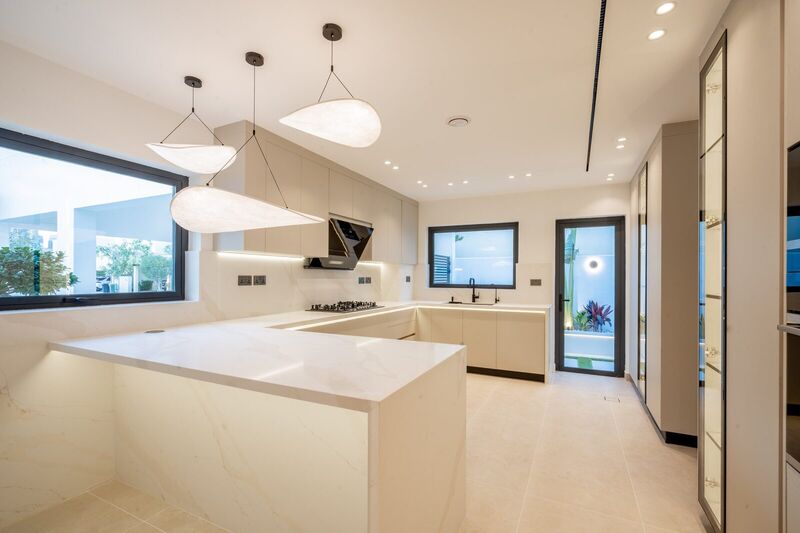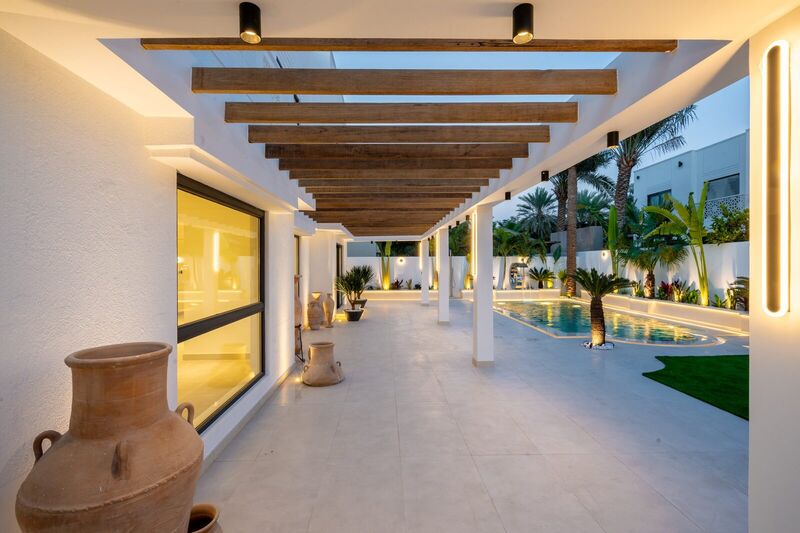
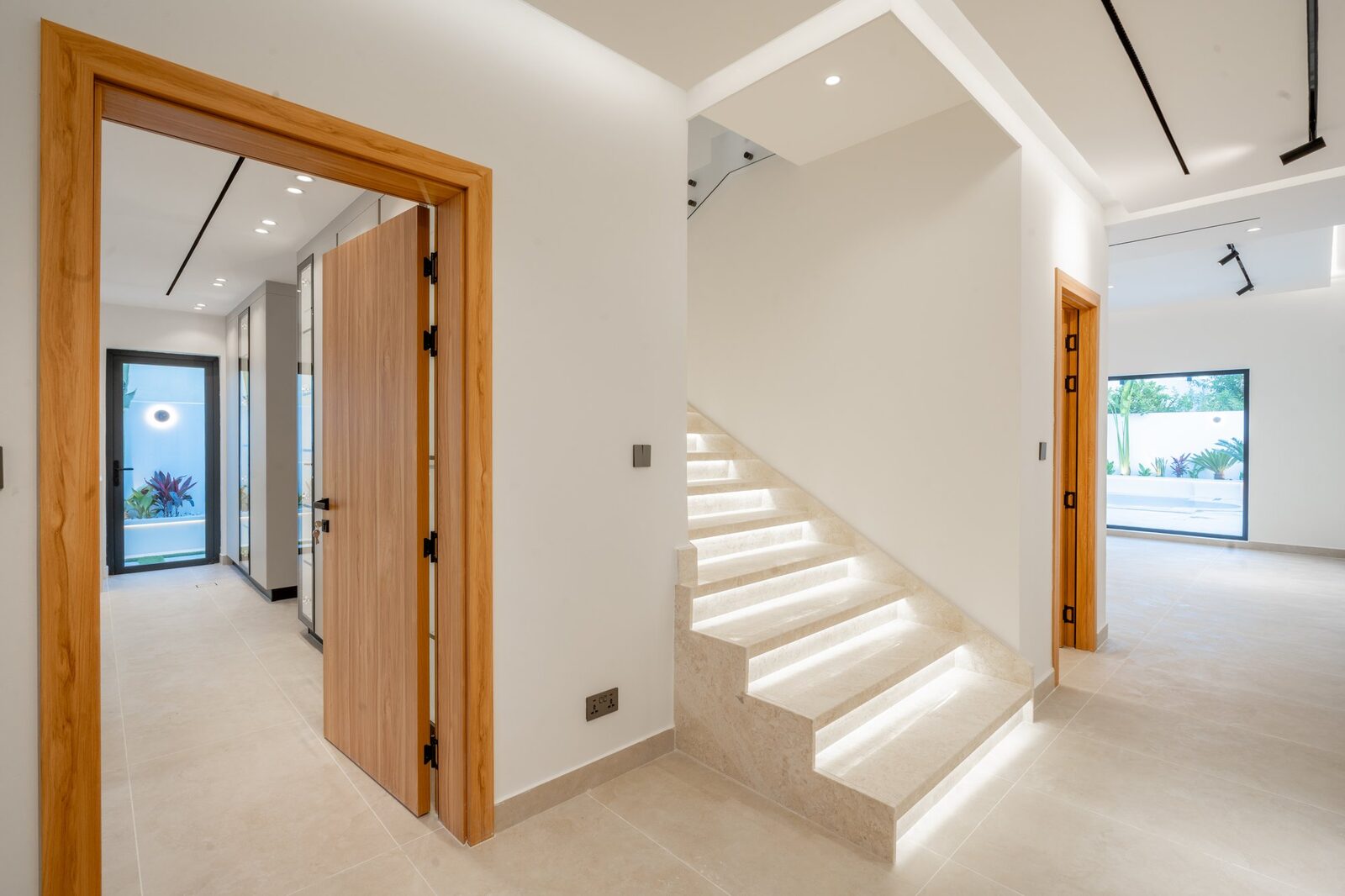
If you've just had marble laid across your entrance, staircase, or living areas, it's worth understanding one thing early: marble is a soft, porous, calcium-based stone. It's stunning, it's cool underfoot in a hot climate, and it photographs beautifully — but it reacts to the wrong cleaning product or a badly timed sealing schedule in a way that porcelain simply doesn't. In Dubai specifically, three local factors make marble care different from what you'd read in a generic homeowner guide: relentless UV exposure, fine airborne dust from surrounding construction and desert wind, and hard, mineral-heavy tap water.
None of this means marble is high-maintenance in the demanding sense. It means the small routine matters, and a few common habits — mopping with the wrong cleaner, letting standing water sit, skipping sealing — do more damage over a year than most people realize.
Seal it, and reseal it on a schedule
Sealing is the single most important thing standing between your marble and permanent staining. A quality penetrating sealer fills the stone's natural pores so that spills — coffee, red wine, cooking oil, sunscreen — sit on the surface long enough to be wiped up rather than soaking in and leaving a shadow.
In Dubai, we generally recommend resealing polished marble every 12-18 months, and closer to the 12-month mark for high-traffic areas like entrances, kitchen floors, and staircases. There's a simple way to check: pour a small amount of water on the surface. If it beads up and sits, the seal is still working. If it darkens the stone and soaks in within a minute or two, it's time to reseal.
💡 The water-droplet test
Test in a few different spots — entrance, kitchen, and a low-traffic corner. Heavy-use areas lose their seal faster than the rest of the floor and may need attention sooner than the room as a whole.
What to clean it with — and what to avoid
This is where most damage actually happens, usually with good intentions. Marble is calcium carbonate, which means it's chemically vulnerable to acid. That rules out more products than people expect:
- Avoid: vinegar, lemon or citrus-based cleaners, bathroom sprays containing acids, and most "multi-surface" supermarket cleaners.
- Avoid: abrasive scouring powders and stiff scrub brushes, which dull the polished finish over time.
- Use: a pH-neutral stone cleaner (widely available in Dubai from stone suppliers and larger supermarkets), applied with a soft microfibre mop.
- Use: plain warm water for a quick daily wipe-down — it's often all marble needs between deeper cleans.
Dubai's specific climate risks
Dust and grit
Fine sand and construction dust are unavoidable in Dubai, and grit tracked in on shoes is genuinely abrasive against a polished marble surface over time — it acts like sandpaper under foot traffic. A good entrance mat, and a quick daily sweep or vacuum (no beater bar) before wet-mopping, prevents most of this wear.
UV and heat
Marble that sits in direct sun for several hours a day — common near floor-to-ceiling windows or sliding doors onto a terrace — can experience slight discolouration over years, and in some marble varieties, minor surface crazing from repeated heat expansion and contraction. UV window film or blinds on the sunniest windows is a simple, low-cost way to reduce this.
Hard water
Dubai's tap water carries a noticeable mineral content, which is why you'll often see faint white residue (limescale) around areas where water is left to evaporate rather than wiped — bathroom vanities, around pool decking, near kitchen sinks. On marble, always wipe standing water rather than letting it dry naturally.
⚠ A common mistake we see
Homeowners often reach for the same cleaning spray they use on kitchen counters or bathroom tiles across their marble floors too, without checking the label. If it doesn't explicitly say "safe for natural stone," don't use it on marble — the etching often isn't visible for days, by which point it's already permanent.
If your marble already looks dull
Light etching and dullness can often be restored by a professional stone polishing and re-sealing service rather than replacement — this is worth trying before assuming a section needs to be re-laid. Deep scratches or cracked slabs are a different matter and usually do need replacement. If you're weighing up marble against other surfaces for a kitchen specifically, our guide on maintaining natural stone countertops long-term covers the same principles applied to worktops, where oil and acidic food contact adds another layer of risk.
Considering Marble for Your Next Renovation?
We can walk you through where marble makes sense in a Dubai villa — and where a more forgiving material might serve you better long-term.
Explore Villa RenovationWe used honed and polished marble extensively through the entrance, staircase, and living areas of our Meadows villa renovation — if you'd like to see how it's held up and hear the specific sealing product we used, it's a conversation we're always happy to have before you commit to a material.
For a broader view of what else needs attention after handover, see our full post-renovation maintenance checklist, and if your marble sits anywhere near a terrace or pool deck, our seasonal maintenance guide for summer covers the added heat exposure those areas face.
Frequently asked questions
How often should marble flooring be resealed in Dubai?
Most polished marble in a Dubai villa needs resealing every 12 to 18 months, and sooner in high-traffic areas like entrances and kitchens. A simple water-droplet test — if water stops beading and soaks in within a minute or two, it's time to reseal.
Can I use regular floor cleaner on marble?
No. Most all-purpose and bathroom cleaners contain acids (vinegar, citrus, or lemon-based ingredients) that etch marble's calcium carbonate surface, leaving permanent dull patches. Use a pH-neutral cleaner specifically labelled safe for natural stone.
Does Dubai's heat actually damage marble flooring?
Direct, prolonged sun exposure through unshaded glass can cause slight discolouration and, over years, contribute to hairline surface crazing in some marble types. It's rarely dramatic, but it's a reason to use UV window film or blinds on marble areas that get several hours of direct sun daily.