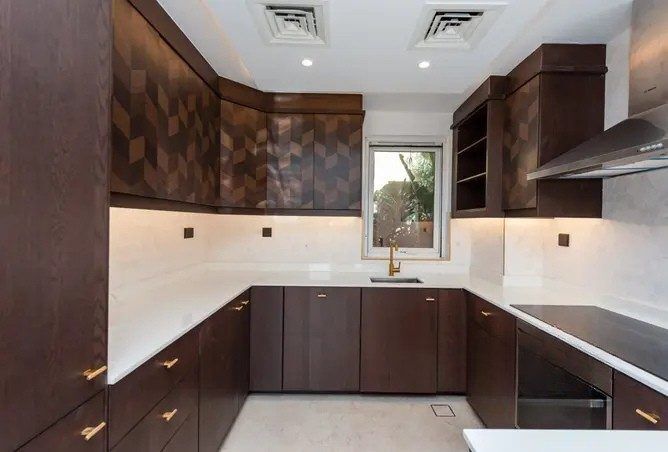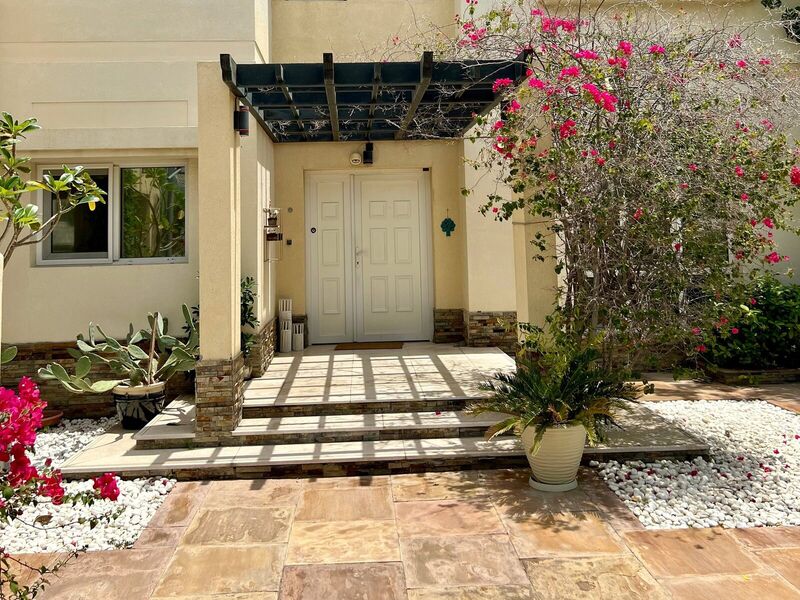

Homeowners tend to default to one of two instincts: renovate everything before listing, or sell as-is and let the price reflect the condition. Both instincts skip the actual decision, which is a comparison of two numbers — what a renovation costs you in time and money versus what it changes about your achievable sale price and time on market. Get that comparison right and the answer is usually obvious. Skip it and you either overspend on a renovation the market won't pay back, or leave real money on the table by selling a villa that just needed a few targeted fixes.
Start with your actual timeline
If you need to sell within the next one to three months, a renovation is rarely the right move — even a partial one takes longer than that to plan, permit, and execute properly, and a rushed job tends to show. If you have six months or more before you need to list, a targeted renovation becomes genuinely worth evaluating.
This is the first filter, and it eliminates a lot of unnecessary deliberation. Many homeowners spend weeks weighing renovation options for a sale that's happening in eight weeks — by the time the decision is made, the window to execute it well has already closed.
Then look at the comparable listings
Walk through what's currently on the market in your community at a similar size and price point. If most comparable villas are visibly more updated than yours — modern kitchens, refreshed bathrooms, contemporary flooring — you're competing from behind, and a targeted renovation can meaningfully change how your listing is perceived. If your villa is broadly in line with what else is available, the case for renovating weakens considerably.
💡 Don't guess — walk a few open houses first
Before deciding either way, view three or four comparable listings currently for sale in your community. It's the fastest, cheapest way to calibrate whether your villa actually looks dated relative to the market, or whether that's just how it feels after living in it for years.
The decision framework
Once you know your timeline and how you compare to the market, the decision usually falls into one of four patterns:
| Your situation | Recommended path | Why |
|---|---|---|
| Selling within 3 months, villa is dated | Sell as-is, price accordingly | Not enough time to renovate properly; a rushed job can hurt more than help |
| Selling in 6+ months, villa is visibly behind comparable listings | Targeted renovation (kitchen, baths, MEP, flooring) | Closes the gap with the market at manageable cost |
| Selling in 6+ months, villa is already in line with the market | Sell as-is, or a light cosmetic refresh only | Full renovation cost unlikely to be recovered proportionally |
| No fixed timeline, considering renting instead | Evaluate rental yield before deciding | Renovation economics differ for a rental hold versus an immediate sale |
That last row matters more than it might seem — a lot of "should I renovate before selling" decisions are actually "should I sell at all" decisions in disguise. If you're not in a rush, it's worth reading how renovation affects rental yield before ruling out holding and renting the property instead.
What a targeted pre-sale renovation should — and shouldn't — include
If the framework points you toward renovating, resist the urge to do everything. A pre-sale renovation is not the same project as a renovation for your own long-term enjoyment. Focus on: kitchen and bathroom updates, flooring throughout the main living areas, fixing any known MEP issues (especially anything a buyer's snagging inspection would flag), and a general paint and lighting refresh. Skip: bespoke joinery, highly personal design choices, and premium upgrades in rooms buyers won't linger in.
This is also where what actually increases resale value becomes directly relevant — it's worth reading alongside this framework before finalising your scope.
⚠ Watch out for sunk-cost thinking
If you've already started renovating and then decide to sell, don't assume you should "finish what you started." Re-run the comparable-listings check with your remaining budget in mind — sometimes the most profitable move is to stop at 70% complete and sell, rather than spend the last 30% on features a buyer won't specifically value.
Get a real number before you decide
Our Renovation Cost Calculator gives you an estimate for a targeted, pre-sale scope — kitchen, baths, flooring, and MEP — so you can compare it against your expected sale price uplift.
Try the Cost CalculatorIf your villa is genuinely old enough that the question isn't "renovate or sell" but "how much needs to be done," our guide on when a villa needs a full renovation versus a refresh can help you scope it correctly either way.
Frequently asked questions
Should I renovate my villa before selling it in Dubai?
It depends on how your villa compares to similar listings currently on the market, how much time you have before you need to sell, and your available budget. If comparable villas nearby are visibly more updated, a targeted renovation can help you compete. If your villa is already broadly in line with the market, selling as-is may be the more efficient route.
How much should I spend renovating before selling a villa?
As a general principle, a pre-sale renovation should focus on the highest-impact, most visible items — kitchen, bathrooms, flooring, and any overdue MEP issues — rather than a full transformation. Spending far beyond what comparable renovated villas in the community are achieving in resale price rarely pays back proportionally.
Can I sell a villa as-is in Dubai without renovating?
Yes. Selling as-is is a completely normal route in Dubai, particularly for investors and buyers looking for a value-add project themselves. The trade-off is typically a lower achievable price and a smaller pool of interested buyers, offset against zero renovation time, cost, or risk.